Buyers Guide: Selecting SPC for Hospital Floors
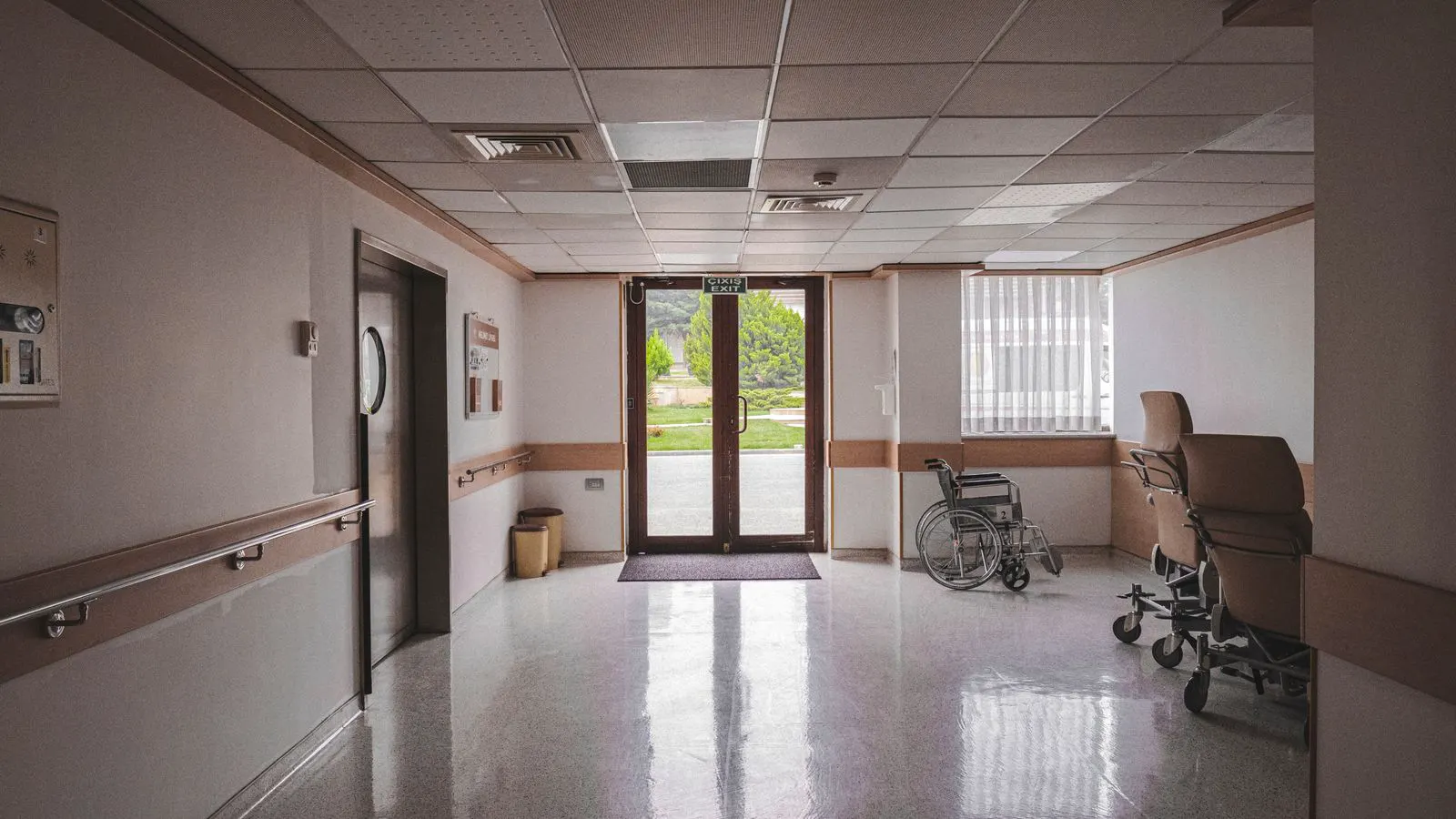
SPC flooring for hospitals requires a focus on chemical resistance, slip safety, and easy cleaning. This guide outlines the physical, chemical, and maintenance criteria needed to select suitable institutional vinyl for clinical environments.
- Prioritize surface hardness and scratch resistance to withstand heavy traffic and wheeled equipment.
- Select low-porosity materials that resist biological growth and allow for rapid disinfection.
- Verify slip resistance ratings for wet conditions and check joint sealing for infection control.
- Match the flooring system to the specific chemical agents used in your cleaning protocols.
- Test samples in situ before committing to a large-scale installation.
Why SPC Flooring Fits Hospital Environments
Stable, rigid core products have become a standard choice in healthcare facilities due to their balance of comfort, durability, and maintenance needs. SPC flooring for hospitals offers a solid structure that resists denting and compression better than flexible sheet options. This rigidity supports the frequent movement of stretchers, bedchairs, and other wheeled equipment without leaving permanent marks.
The material composition matters. A typical SPC product layers a wear layer over a stabilizing core, often made of wood flour and PVC, topped with a protective cap. For clinical use, the wear layer must be thick enough to handle abrasive cleaning and the core must be dense enough to prevent flexing under heavy loads. This combination creates a surface that feels firm underfoot for both patients and staff, reducing fatigue during long shifts.
Hygiene is the primary driver. Clinical floors must support the removal of bacteria, viruses, and organic matter. The surface should not trap moisture in seams or micro-pores where pathogens can survive. A well-chosen system allows for high-frequency cleaning without degrading the material structure over time.
Evaluating Surface Hardness and Durability
The top layer of the floor takes the brunt of daily abuse. In a hospital setting, this means scrubbing, mopping, and the constant pressure of rolling equipment. You need a floor that resists surface abrasion. Look for products with a high scratch and abrasion resistance rating. Thicker wear layers generally offer better longevity.
Consider the traffic patterns. Corridors near emergency rooms and main entrances face the highest impact. These areas demand a harder surface. Patient rooms and consultation areas see less traffic but require a comfortable feel. A single product type may not suit all zones, so a zoned approach often works better.
Check the core density. A loose or low-density core will compress over time, creating uneven surfaces that are hard to clean and trip hazards. A high-density core maintains its shape under weight. It also supports the wear layer, preventing delamination at the edges.
Hygiene and Chemical Resistance
The cleaning regimen defines the flooring requirements. Hospitals use a variety of disinfectants, including quaternary ammonium compounds, chlorhexidine, and bleach-based solutions. These chemicals can degrade some plastics over years of exposure.
Select a product with proven resistance to these specific agents. Ask the supplier for data on chemical compatibility. The surface should not yellow, crack, or lose its slip properties after repeated exposure to disinfectants.
Porosity is a critical factor. Micro-pores can harbor bacteria even after visual cleaning. Look for a smooth or tightly bonded surface. If the product is installed as planks or tiles, the joints must be sealed effectively. Gaps allow liquid to seep into the subfloor, promoting mold and bacterial growth.
Slip Resistance and Safety
Wet floors are a constant risk in healthcare. Water, saline solutions, and cleaning fluids create slippery conditions. The coefficient of friction must be sufficient to prevent slips and falls, which are a major safety concern in hospitals.
Test the surface under wet conditions. Dry friction is less relevant than wet friction in a clinical environment. Look for products with a textured surface or a wear layer engineered for grip. A highly polished surface may look clean but can become dangerously slick when wet.
Consider the flooring’s interaction with footwear. Hospital staff wear various types of shoes, including closed-toe shoes, rubber-soled slippers, and medical clogs. The floor must provide adequate traction for all of these. A floor that is too rough can also be uncomfortable for patients walking with limited mobility.
Installation and Joint Integrity
The quality of installation is as important as the product selection. SPC flooring for hospitals requires a flat, stable subfloor. Any unevenness will transfer to the surface, creating trip hazards and uneven wear.
For plank or tile products, the joints are a weak point. They are where moisture enters and where dirt accumulates. Use appropriate adhesives or locking mechanisms that maintain a tight seal. Grout or sealant lines must be compatible with the cleaning chemicals. Some sealants are porous and will absorb cleaning fluids, leading to staining and bacterial growth.
The edges of the floor also need attention. Where the floor meets walls or door thresholds, gaps can trap debris. Use appropriate transition strips that are low-profile and easy to clean. Avoid high thresholds that can catch wheels or feet.
Maintenance and Lifecycle
A hospital floor must be cleaned many times a day. The maintenance plan should be simple and effective. A product that requires specialized equipment or harsh solvents is a poor choice. Look for a surface that can be maintained with standard hospital cleaning protocols.
Plan for the lifecycle. SPC flooring is durable, but it will wear over time. The wear layer will eventually abrade. Consider the expected service life. A floor that lasts ten years may be more cost-effective than one that looks good for three years but fails in high-traffic areas.
Keep spare material for repairs. A small section of damaged flooring can be replaced without disturbing the entire room. This minimizes downtime in clinical areas. Ensure the spare material matches the original in color and texture.
Decision Checklist
Use this checklist to evaluate any SPC flooring for hospitals proposal.
- Does the product meet the required scratch and abrasion resistance for high-traffic areas?
- Is the surface resistant to the specific disinfectants used in your facility?
- What is the slip resistance rating under wet conditions?
- How are the joints constructed and sealed?
- What is the expected service life and warranty coverage?
- Can the product be replaced in small sections?
Criteria Table
| Criterion | What to look for | Why it matters |
|---|---|---|
| Abrasion Resistance | High wear layer thickness, high scratch rating | Prevents surface damage from scrubbing and wheeled equipment |
| Chemical Resistance | Compatibility with quaternary ammonium, bleach, chlorhexidine | Prevents material degradation and discoloration from disinfectants |
| Slip Resistance | High wet coefficient of friction, textured surface | Reduces the risk of slips and falls in wet conditions |
| Joint Sealing | Tight seals, compatible sealants, low-profile transitions | Prevents moisture ingress and bacterial growth in gaps |
| Core Density | High density, stable structure | Prevents compression, flexing, and uneven surfaces |
| Maintainability | Easy to clean with standard protocols | Reduces maintenance time and cost in high-traffic areas |
Frequently asked questions
Can SPC flooring be used in operating rooms?
Operating rooms have strict requirements for hygiene and durability. SPC flooring for hospitals can be suitable if it meets the specific chemical and abrasion resistance standards required for that area.
How does SPC compare to sheet vinyl in hospitals?
Sheet vinyl offers a smooth surface, which is ideal for infection control. SPC planks and tiles are easier to install and replace in sections but require careful joint management to maintain hygiene.
What is the main advantage of SPC over LVT in healthcare?
SPC has a more rigid core, which provides better structural stability and resistance to denting under heavy equipment. LVT is more flexible but can be more prone to edge wear.
Do I need a primer under SPC flooring in a hospital?
A primer is often required to ensure adhesion and to create a moisture barrier. Always follow the manufacturer's installation instructions for the specific subfloor type.
How long does SPC flooring last in a hospital?
With proper installation and maintenance, SPC flooring can last many years. High-traffic areas may wear faster, but the rigid core helps extend the life of the surface.